
Test a Cosplay Helmet for Visibility and Comfort
Check sightlines, airflow, balance, and removal before a helmet becomes part of a full costume.
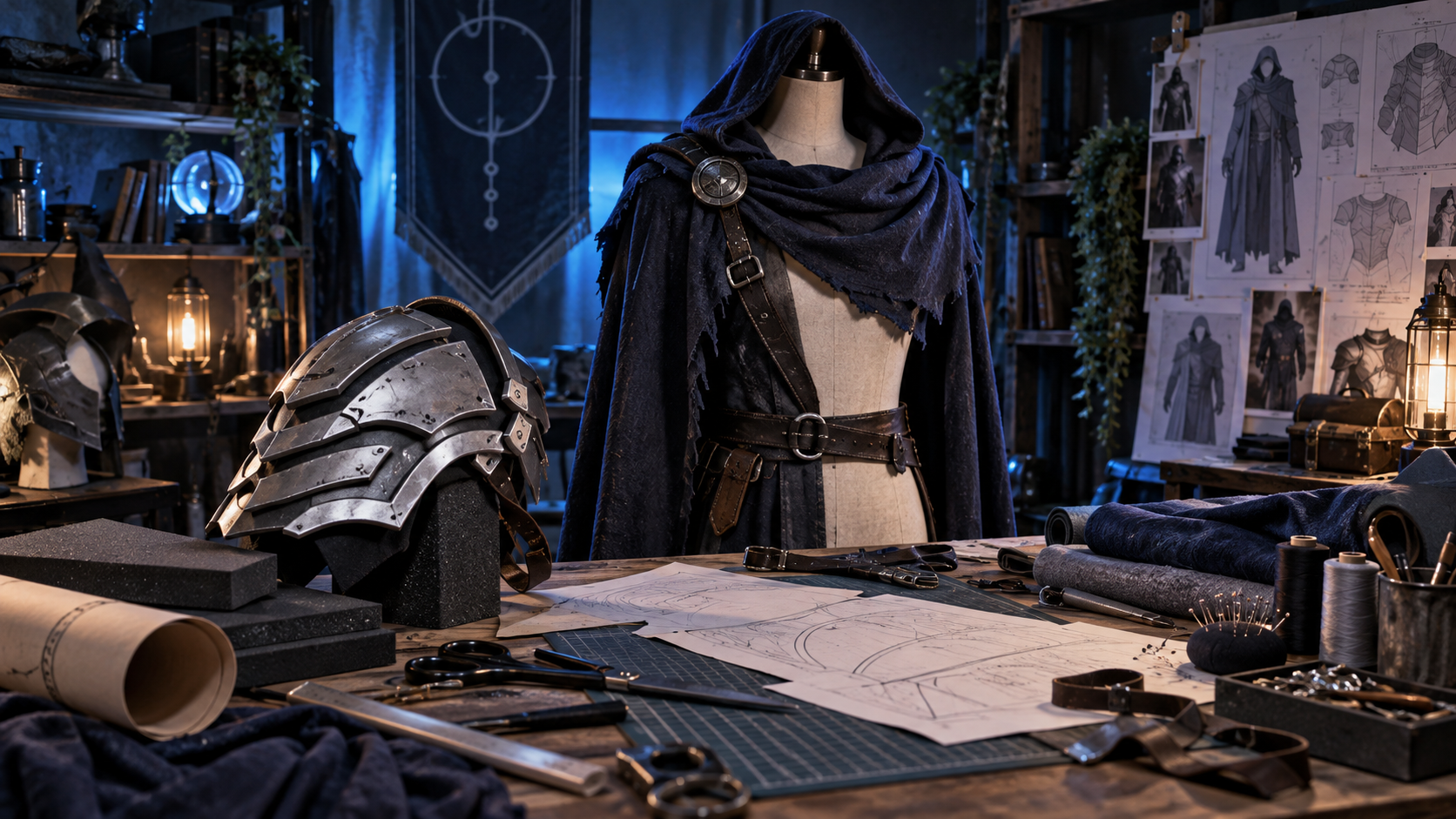
A helmet can look finished on a mannequin but behave very differently on a person. Test visibility before final paint or detail work. Put the piece on in a safe room, look up and down, turn your head, and check whether the eye openings leave enough useful peripheral vision.
Pay attention to heat and balance. Padding should keep the helmet from shifting without creating pressure points. Small hidden vents and a stable chin or neck fit can make a major difference during a longer wear test.
Plan a quick removal method and keep a safe place to set the helmet down. A wearable helmet needs to look good, but it also needs to let you move, breathe, and take a break when needed.
Test visibility before final paint. Wear the helmet with the same padding, lenses, and hairstyle you expect to use at the event, then check straight-ahead vision, side vision, stairs, doorways, and low obstacles. Have a second person watch while you walk slowly through the test area.
Check airflow and heat after at least ten minutes of wear. Padding should hold the helmet steady without creating pressure points, and the wearer should be able to remove it quickly. Any electronics, fans, or lights need protected wiring and a simple way to disconnect power.
Repeat the test after every major fit or paint change. A helmet is ready when the wearer can see, breathe, turn, and communicate without constant adjustment.
Frequently asked questions
How do you test cosplay helmet visibility?
Wear the finished padding and lenses, then check straight-ahead vision, side vision, stairs, doorways, and low obstacles with a second person nearby.
How long should a helmet comfort test last?
Wear it for at least ten minutes while walking and turning. Pressure points and heat problems often appear after the first few minutes.
Can I finish painting before testing the fit?
Do a full fit and visibility test before final paint, then repeat it after major padding or lens changes.